
Blog
How Multi-Sensory Marketing Increases Brand Recall?
By Admin
May 12, 2026
Today, people see thousands of advertisements every day. Most of them are ignored within seconds. This is why brands need more than visibility. They need memory.
That is where multi-sensory marketing becomes powerful.
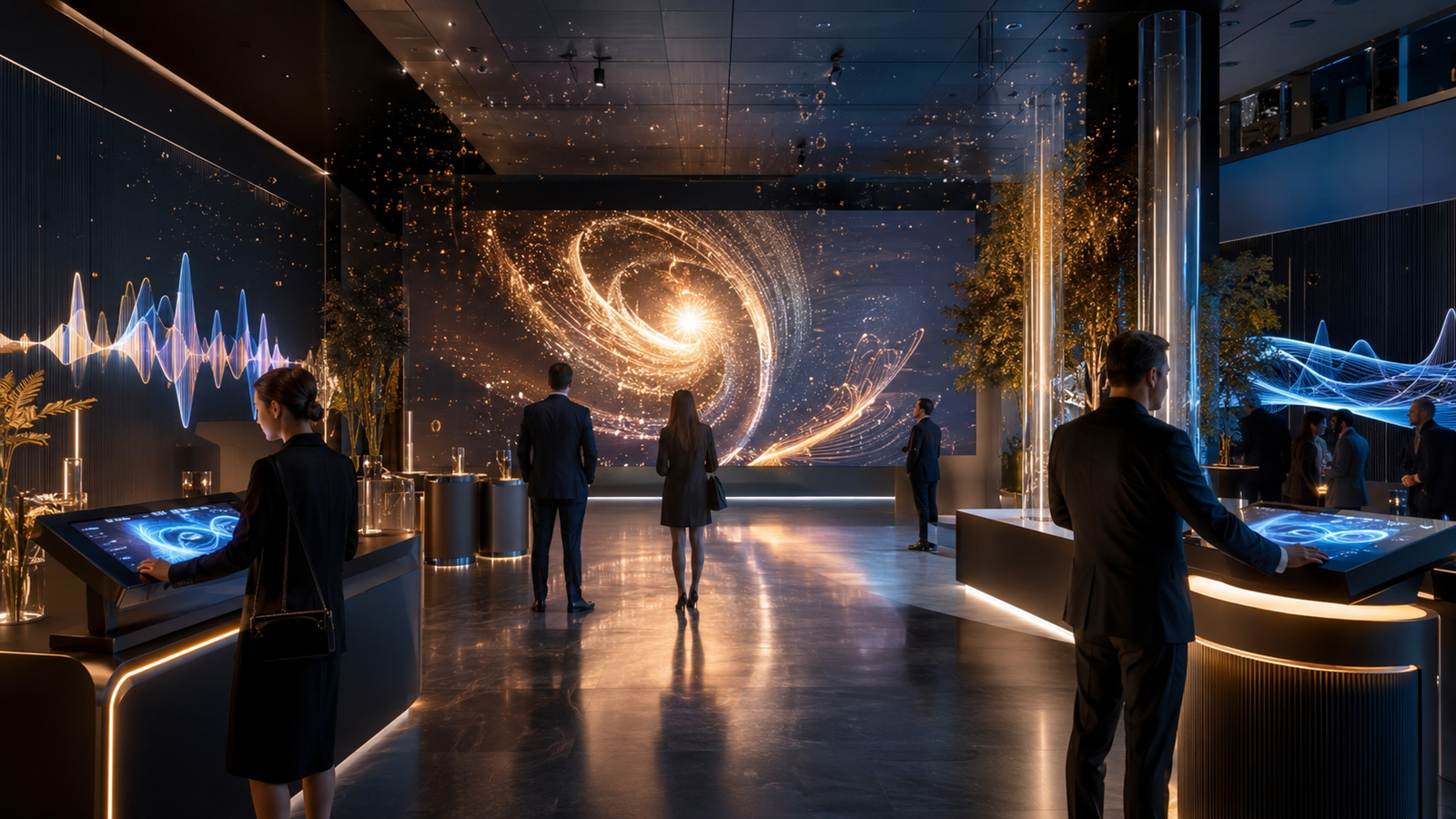
Multi-sensory marketing uses sight, sound, touch, scent, taste, space, and interaction to create a deeper connection between the brand and the audience. Instead of simply showing an advertisement, it creates a sensory brand experience that people can feel and remember.
Brand recall is the ability of a customer to remember a brand when they need a product or service. For example, when someone thinks of buying a car, booking a trip, choosing a bank, or visiting a retail store, the brand that comes to their mind first has a major advantage.
According to Nielsen, brand recall contributes 38.7% to brand lift in emerging media, making it one of the strongest drivers of campaign effectiveness.
This clearly shows that a strong brand recall strategy is not just about reaching people. It is about staying in their mind.
People remember experiences better than ordinary advertisements.
When these senses work together, the brain stores the brand message more strongly. This is why sensory marketing for brands can improve recall better than normal display ads or static promotions.
For example, a tourism brand can show a destination on a video wall. But when that visual is combined with local music, fragrance, lighting, and interactive storytelling, the audience does not just see the place — they feel the destination.
That feeling creates memory.
Many companies focus on a brand awareness strategy. Awareness is important, but it is only the first step.
Awareness means people know your brand exists.
Recall means people remember your brand when it matters.
A strong brand recall advertising strategy should create an experience that connects the brand with emotion. When people interact with a brand physically, digitally, or emotionally, the message becomes more memorable.
This is why an interactive brand experience works better than passive advertising. When customers touch, scan, move, respond, participate, or explore, they become part of the campaign. Participation improves memory.
A successful campaign should not only look attractive. It should create measurable results.
A brand uplift campaign can help measure whether the campaign improved:
This makes multi-sensory marketing valuable not only as a creative idea, but also as a business growth strategy.
India is moving fast toward immersive and experiential advertising. Customers are no longer impressed by ordinary promotions alone. They expect experiences that are fresh, engaging, and memorable.
For brands that want to stand out, working with the right brand activation agency in India can help convert a normal campaign into a powerful brand experience.
Multi-sensory marketing is especially useful for:
Multi-sensory marketing helps brands move beyond normal advertising by creating moments that stay in the customer’s mind. It improves brand recall, strengthens awareness, and builds a deeper emotional connection between the brand and the audience. At IT’S SHOWTIME, we believe people should not just see a brand — they should feel it.